Our Services
Neurologist Wesel
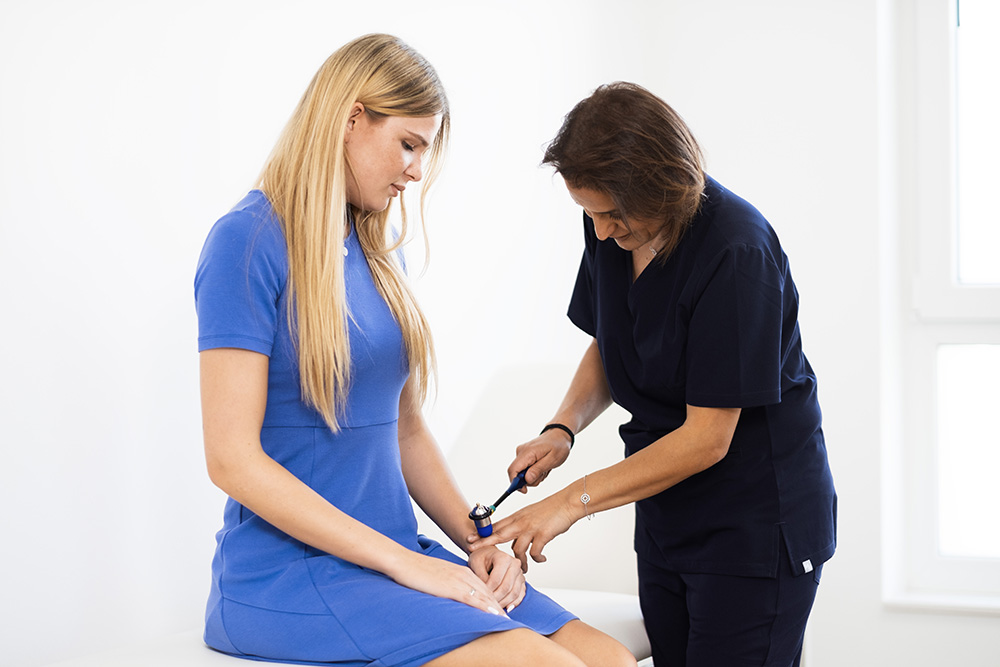
In-depth Neurological Diagnostics
The Foundation of Every Neurological Treatment
At the NERVAL private neurological practice in Wesel, we focus on the diagnosis and therapy of diseases of the nervous system – including the brain, sensory organs, spinal cord, peripheral nerves, and musculature.
In addition to the medical history, the clinical-neurological examination is a central component for the early detection of functional disorders and deficits of the nervous system. It forms the basis of all neurological diagnostics and makes it possible to establish initial suspected diagnoses. To obtain the most comprehensive picture of your health situation, we also conduct a psychiatric examination during the initial consultation. This allows us to consider neurological and psychological factors together – and derive a targeted, holistic therapy from them.
Depending on the findings, further technical-instrumental examinations may be required to confirm the diagnosis or gain further insights. These include, among others, electrophysiological measurements, ultrasound examination of the vessels supplying the brain, or cerebrospinal fluid analysis.
Neurological assessment and neuropsychological diagnostics are important components of differential diagnosis. They help to distinguish between different neurological diseases, evaluate symptoms in a targeted manner, and initiate the appropriate treatment.
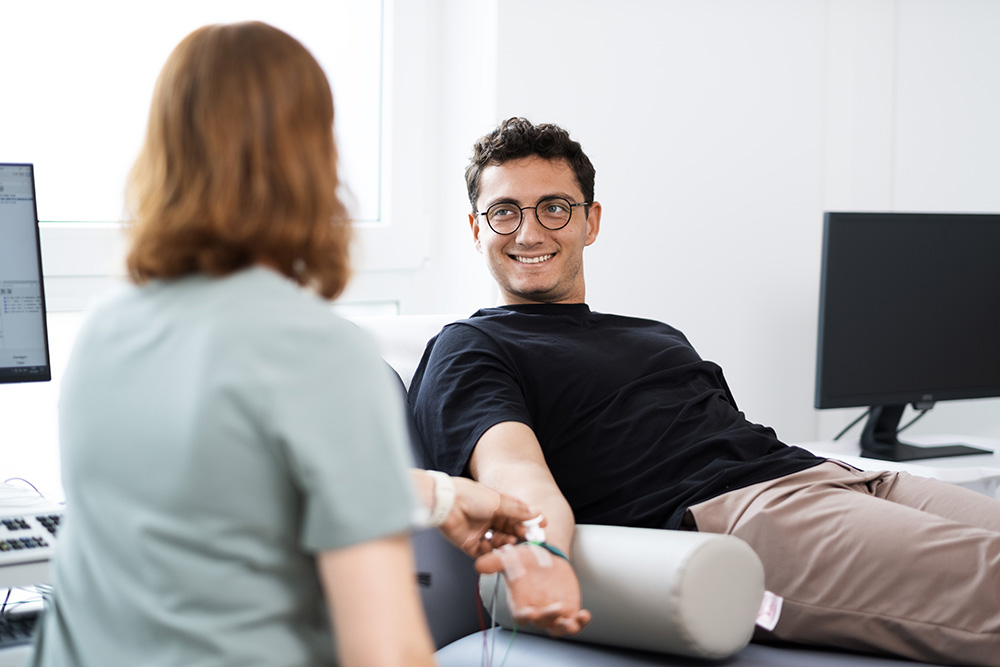
Electrophysiological Examinations
Measurement of Nerve and Muscle Activity
Our nerves and muscles communicate via electrical signals that are necessary for movement, sensation, and many other bodily functions. If this signal transmission is disturbed, it can lead to neurological disorders.
Electrophysiological examinations make it possible to precisely analyze the function of nerve pathways and muscles and to detect diseases at an early stage.
As a private neurological practice in Wesel, we use various electrophysiological examinations to analyze nerve activity in detail. Depending on medical necessity, different measurement methods are used, providing valuable insights into the function of nerves and muscles:
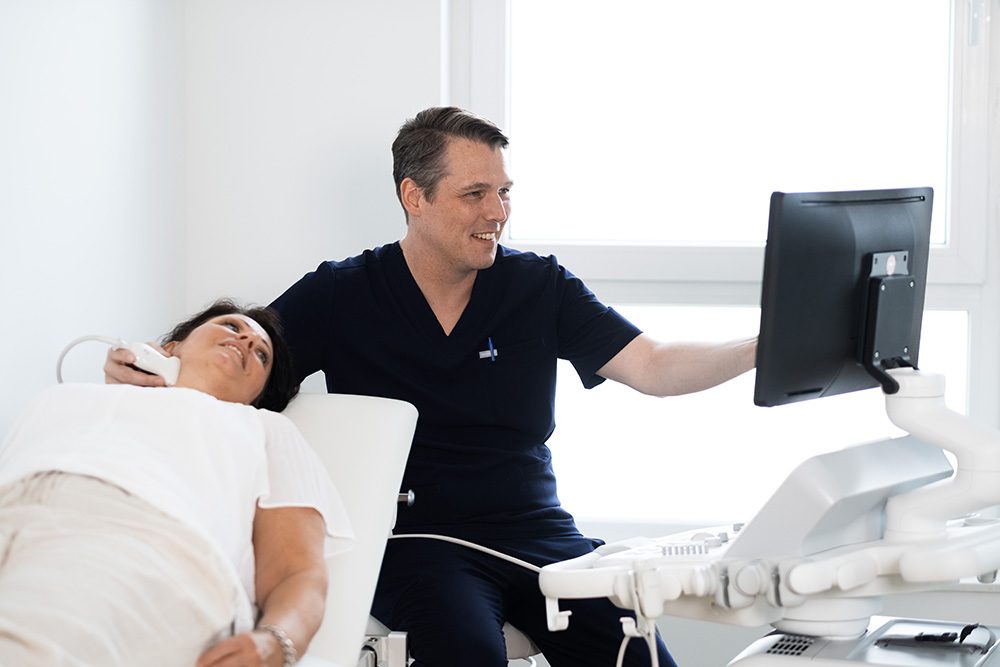
Ultrasound of the Vessels Supplying the Brain
Gentle Diagnostics for Assessing Blood Flow
With modern ultrasound technology, we can visualize internal organs, soft tissues, vessels, and muscles – completely without radiation exposure. The examination is painless and ideal for diagnosing neurological, muscular, or vascular changes.
In our private neurological practice in Wesel, we use ultrasound specifically to examine the vessels supplying the brain in the head and neck area. This allows us to assess blood circulation in real time and detect changes such as vascular narrowing (stenosis), deposits, or circulatory disorders at an early stage – for example, in the case of symptoms such as dizziness, visual disturbances, ringing in the ears, or brief speech and sensory disturbances.
We specifically examine:
- Carotid arteries and vertebral arteries – the main vessels that supply the brain with oxygen.
- Cerebral arteries – examination through the skull (transcranial) to assess blood flow within the brain.
Sonography can be performed both extracranially (outside the skull) and transcranially (through the skull). This allows for a precise analysis of blood flow in the arteries and the detection of vascular narrowing (stenosis) or deposits that can increase the risk of stroke.

Polysomnography
Targeted Investigation of Sleep Disorders
Restful sleep is important for your health, performance, and quality of life. However, if you suffer from persistent problems falling asleep or staying asleep, daytime tiredness, loud snoring, or sudden microsleep attacks, a medical evaluation may be useful.
Polysomnography is a comprehensive sleep analysis that investigates possible causes of sleep problems. Various sleep parameters are measured during the night:
- Brain activity (EEG) and recording of eye movements to capture sleep phases
- Muscle activity (EMG) to analyze involuntary movements
- Breathing and oxygen saturation to detect breathing pauses (sleep apnea)
For the examination, you will receive a portable measuring device that you wear comfortably at home while sleeping. The next morning, you bring the device back to our practice, where we evaluate the recorded data. This analysis provides important clues, especially if a sleep-related breathing disorder such as sleep apnea syndrome is suspected.
Following the examination, we will discuss the results with you and, if necessary, initiate targeted measures for individual therapy.
As your neurologist in Wesel, we will be happy to inform you about the examination and give you helpful tips for optimal preparation.

ADHD Diagnostics for Adults
Comprehensive Diagnostics for Suspected ADHD
In many adults, ADHD symptoms such as concentration problems, forgetfulness, impulsivity, or inner restlessness remain unrecognized for a long time – even though they can significantly impair everyday life. In our practice, we offer comprehensive diagnostics to reliably determine or rule out a possible ADHD condition.
The examination is structured and combines psychological procedures with neurophysiological diagnostics. These include:
- a detailed psychological history (approx. 50 min.)
- standardized test diagnostics (e.g., D2-R, HASE, CAARS) – approx. 60–90 min.
- an EEG/neurofeedback-based analysis of brain activity
- an interdisciplinary final consultation with a doctor and psychologist (approx. 30 min.)
ADHD diagnostics can be billed privately or via supplementary insurance. Please contact us – as your neurologist in Wesel, we will be happy to advise you.
Neurologist Wesel: Every person is unique – and that means that their physical problems are also individual. That is why, as your private neurological practice, we offer you a wide range of services with individual strategies and solutions.
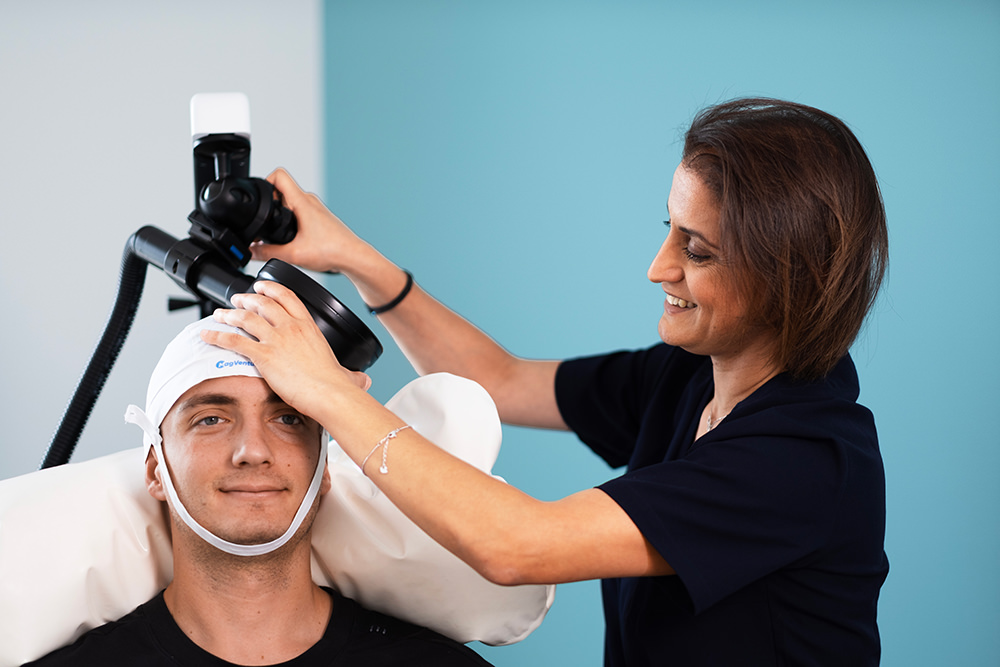
Neuromodulation
Repetitive Transcranial Magnetic Stimulation (rTMS)
Neuromodulation includes various procedures for the targeted stimulation of the nervous system. In our private practice in Wesel, we exclusively use repetitive transcranial magnetic stimulation (rTMS) – a modern, non-invasive method that works entirely without medication or surgical intervention.
Through targeted magnetic pulses, specific brain areas are stimulated to regulate signal processing in the brain. rTMS can be effectively used for complaints such as depression, anxiety disorders, or chronic pain – especially when conventional therapies do not help sufficiently or are not well tolerated.
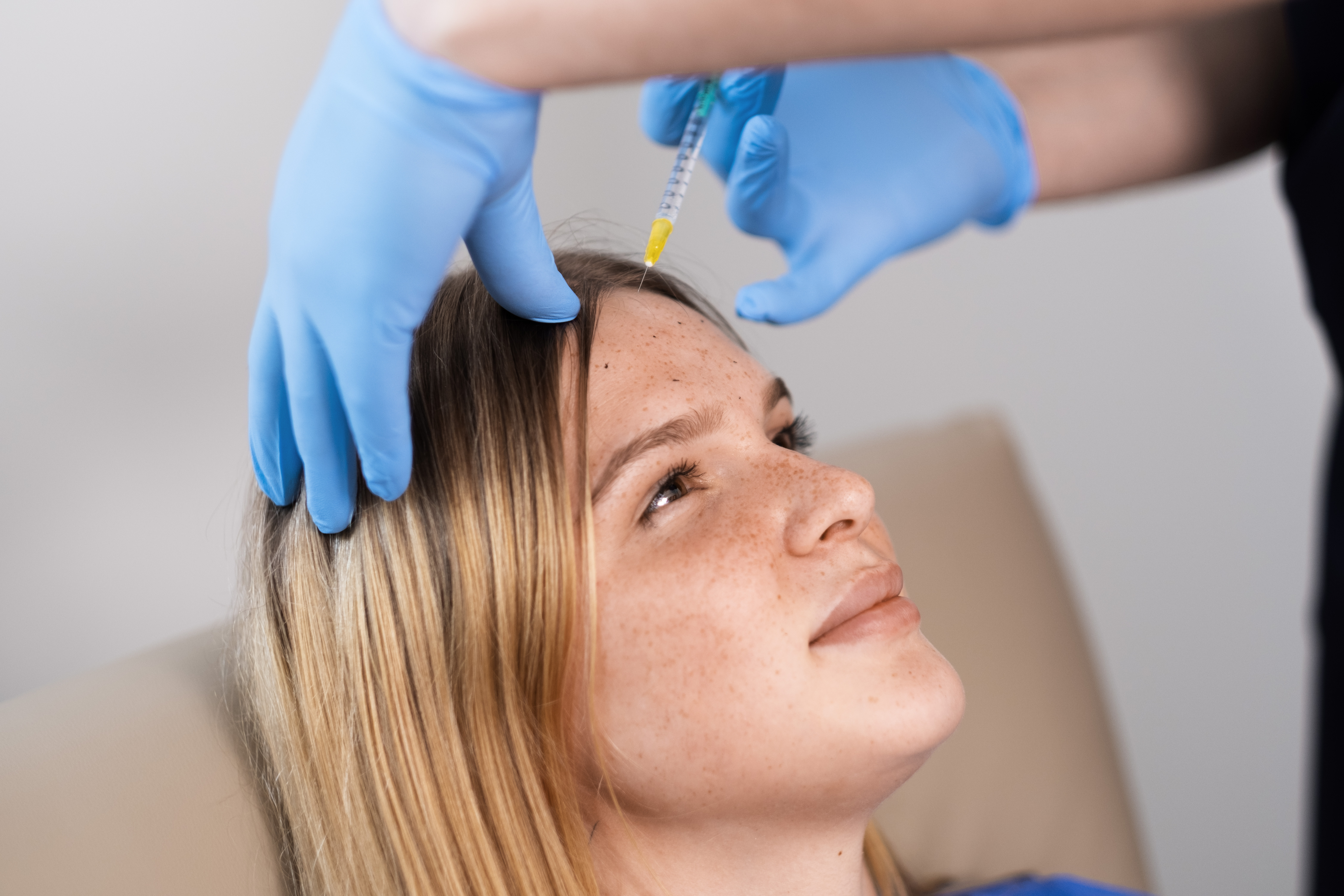
Botox Therapy – Targeted Muscle Relaxation for Neurological Complaints
Botulinum toxin (Botox for short) is a proven medication for the targeted relaxation of overactive muscles. In neurology, it is used in particular for migraines, chronic tension headaches, spastic paralysis, focal dystonias (e.g., torticollis or eyelid spasms), and bruxism (teeth grinding). The injection is precise and individually dosed directly into the affected muscle group. The effect begins after a few days and usually lasts for 3 to 6 months.
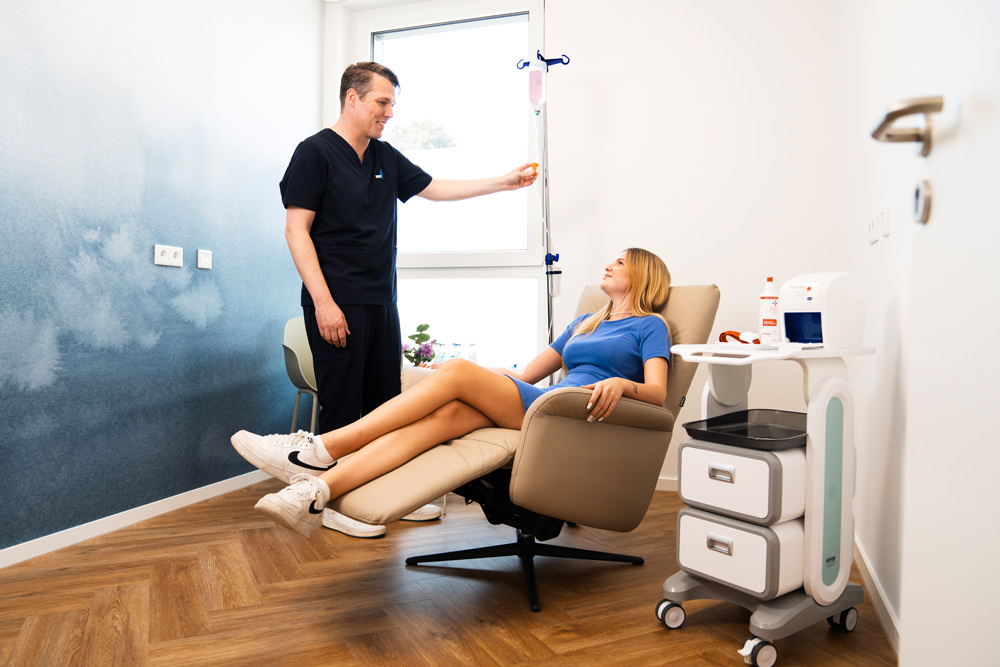
Infusion Treatment
Support for Exhaustion, Nerve Pain, and Immune Deficiency
Whether it is persistent exhaustion, nerve pain, or a weakened immune system – many complaints can be positively influenced by targeted infusion therapy. Through direct absorption into the bloodstream, important nutrients, vitamins, and active ingredients reach the right place immediately and can develop their effect efficiently.
Infusion therapy can help alleviate neurological complaints, support the body in cases of tiredness, exhaustion, and concentration problems, and strengthen the immune system. In particular, patients with polyneuropathy or nerve damage benefit from special infusions that contribute to pain relief and can improve nerve function in the long term. Even in the case of nutrient deficiency, persistent susceptibility to infection, or after an illness, targeted therapy can help to compensate for deficits and promote regeneration.
Depending on individual needs, infusion therapy can fulfill different goals. As your neurologist in Wesel, we offer you individually tailored infusion concepts that are specifically geared to your needs:
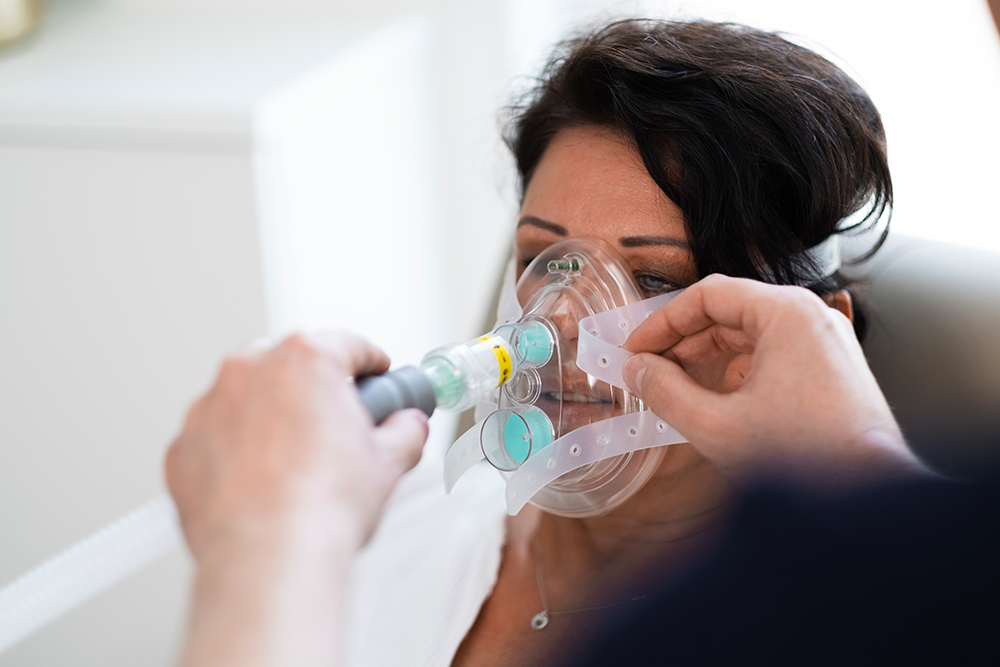
Interval Hypoxia-Hyperoxia Therapy (IHHT)
Cell Training Through Oxygen – for More Energy and Regeneration
Interval Hypoxia-Hyperoxia Therapy (IHHT) is a modern, non-invasive method in which you alternately breathe air with reduced and increased oxygen content. This guided breathing training specifically stimulates cell regeneration and can help improve physical and mental performance.
IHHT is used, among other things, for chronic exhaustion, stress, sleep disorders, or to support metabolic disorders. Through the repeated oxygen pulses, the mitochondria, i.e., the ‘power plants of the cells’, are stimulated – for more energy, better regeneration, and increased well-being.
Further Services
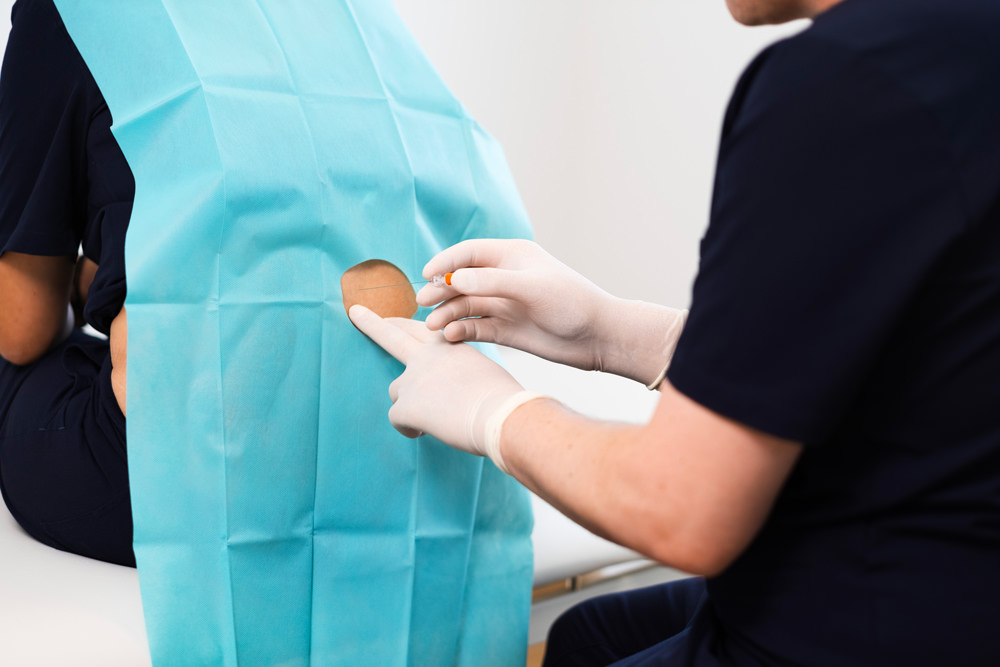
Lumbar Puncture