Treating Depression Wesel
Recognized rTMS Therapy as a Gentle Treatment Option
In our private neurology practice – Treating Depression Wesel – we use modern, non-invasive methods to support patients with depressive symptoms – particularly when conventional treatments do not achieve the desired effect or are poorly tolerated.
A central approach is repetitive transcranial magnetic stimulation (rTMS). This neuromodulation method works with precise electromagnetic pulses that stimulate specific areas of the brain. rTMS is among the most extensively researched neuromodulatory methods worldwide and is recognized by professional societies as an established treatment option for treatment-resistant depression.
Treatment is individually planned in our practice and tailored to each patient’s symptom profile. The goal is to reduce depressive symptoms and provide noticeable relief in daily emotional functioning – without medication or surgical intervention.
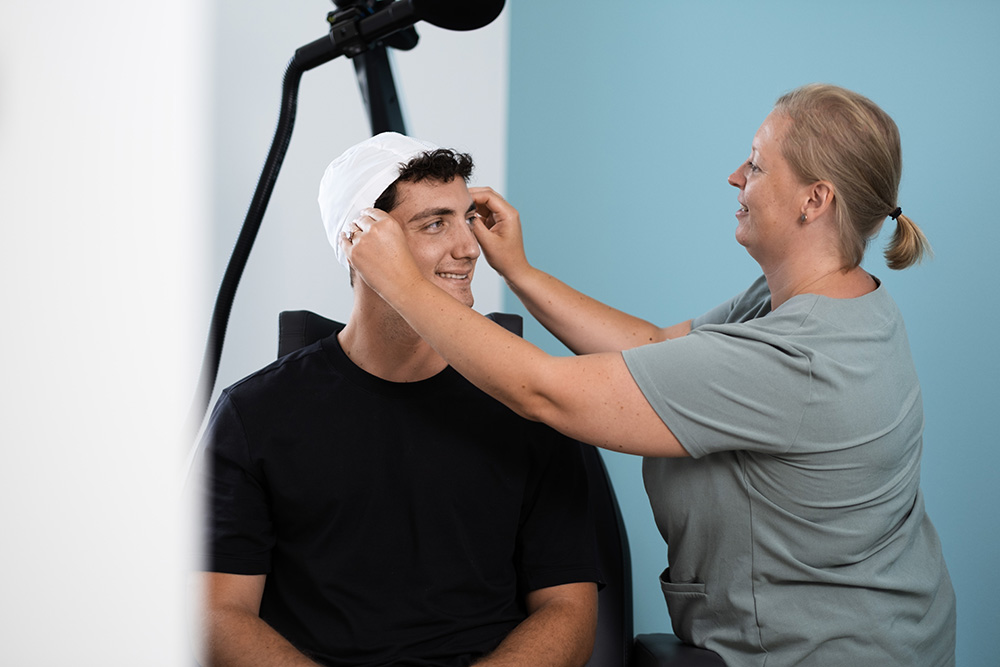
When is repetitive transcranial magnetic stimulation used in Wesel?
Focus: Depressive Symptoms
Repetitive transcranial magnetic stimulation (rTMS) is a non-invasive, medication-free method that is primarily used when depressive symptoms persist despite conventional therapies or respond insufficiently to them. rTMS is among the most extensively researched methods of neuromodulation and is recognized by professional societies as an established treatment option for treatment-resistant depression.
Targeted magnetic pulses stimulate specific brain regions that are often altered in their activity in depressive disorders. The goal is to modulate neural networks and thereby provide noticeable relief from depressive symptoms.
Applications of repetitive transcranial magnetic stimulation include:
Treating Depression Wesel:
- treatment-resistant depression
- depressive episodes in the context of other mental disorders
- accompanying symptoms such as reduced drive or emotional exhaustion
Additional Applications:
- anxiety and panic disorders
- post-traumatic stress disorder (PTSD)
- chronic pain (e.g., neuropathic pain, fibromyalgia)
- migraine and stress-related headaches
- neurological functional disorders
We use rTMS in our Wesel practice primarily for depression treatment. Therapy is individually planned and tailored to your symptoms – with the goal of stabilizing daily emotional functioning and reducing symptom burden.
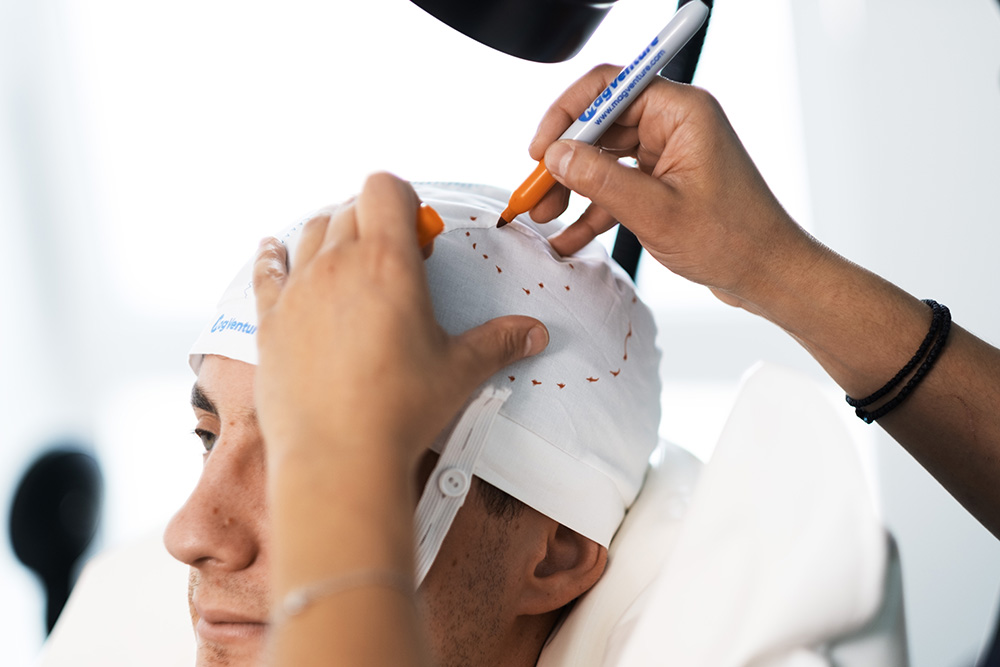
How does repetitive transcranial magnetic stimulation work?
Gentle Stimulation to Regulate the Nervous System
Repetitive transcranial magnetic stimulation in Wesel uses targeted electromagnetic pulses to regulate the activity of nerve cells in the brain or peripheral nerves. This can improve signal transmission in the nervous system and achieve relief from symptoms.
In our private practice in Wesel, we use two proven methods:
- Repetitive Transcranial Magnetic Stimulation (rTMS) – stimulation of specific brain regions to improve signal transmission in the brain; used among other applications for depression treatment.
- Peripheral Magnetic Stimulation (pMS) – promotion of signal transmission in peripheral nerves and muscles
Our patients describe the treatment as painless and well-tolerated, and it is largely without systemic side effects. Most patients feel only a slight tingling or gentle muscle twitching during the application.
We will of course provide you with comprehensive information about the effects, procedure, and behavioral guidelines before treatment.
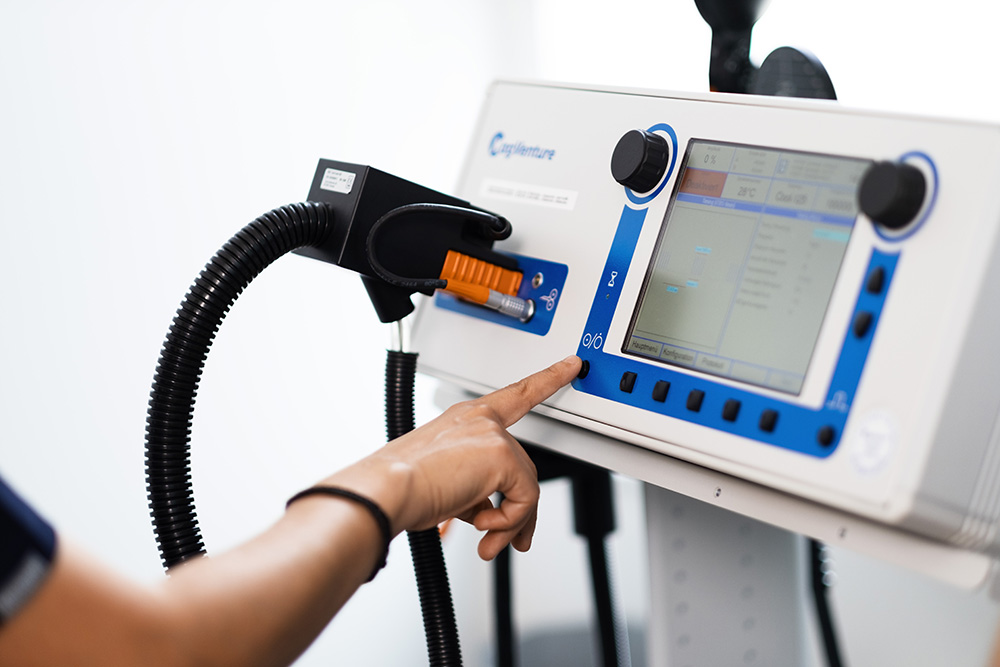
Treatment Process
Diagnosis and Individual Treatment Planning
Repetitive transcranial magnetic stimulation (rTMS) is performed on an outpatient basis in our private practice in Wesel. It is a modern, non-invasive, and well-tolerated treatment method that takes place over multiple sessions.
Treating Depression Wesel: As part of the treatment, we tailor therapy individually to your symptom profile – with the goal of specifically relieving your symptoms and sustainably improving your quality of life.

Costs & Reimbursement
Treating Depression Wesel
Neuromodulation is a specialized therapy that is individually tailored to your needs.
- Privately Insured Patients: Many private health insurance companies cover the costs of treatment in full or in part. We recommend submitting a cost coverage request to your insurance company before beginning treatment. We are happy to support you with the required documentation.
- Statutory Health Insurance: Neuromodulation is currently not a standard benefit of statutory health insurance and must therefore be paid for as a self-pay service. In some cases, however, an application for individual case reimbursement can be submitted.
In our private practice in Wesel, we place particular emphasis on individual and holistic care. From the initial consultation through treatment to long-term follow-up care, we support you personally and competently.
Would you like to learn more about the possibilities of neuromodulation for depression treatment Wesel? Schedule an appointment today – we will take time for your questions and provide you with comprehensive consultation.